An excerpt from The Stranger in My Recliner, my next book. I would love to know what you think…
The homeless people walking among us are invisible to most. We look past them, avoiding eye contact with them at all cost. I always did. Not so much purposely it was more subconsciously. I never wanted to intentionally look into the eyes of such vulnerable human beings that could easily be my parents, grandparents, aunts or uncles. It could be a friend or a family member that struggles with mental illness, addiction or chronic poverty. If I didn’t look, I didn’t have to feel anything or do anything for them.
I had nothing personal against homeless people. I even volunteered at a shelter a couple of times. I helped prepare meals, cleaned up the kitchen afterwards and then prepared brown bag lunches for the adults that had jobs and for the children that went to school or daycare. I enjoyed helping the kids with homework and reading to them. I even chipped in financially, along with many others when our local newspaper, the Bucks County Courier Times requested donations so the shelter could install a new kitchen. The fundraiser was a success and the shelter got a new kitchen.
I met some nice regular people while I was at that shelter. Many of them, fell victim to a perfect storm of unfortunate circumstances such as an illness followed immediately by the death or loss of a financial provider/partner then they lost their job and were suddenly evicted from their home. All of this happened in a matter of a few short months. This could happen to any of us. I could be the one pushing the shopping cart along a rickety sidewalk. That thought kept me volunteering and bringing in donations of canned and non-perishable foods to my church’s quarterly hunger drives. Dropping those cans in that box always made me feel good. I was making a difference. I felt as if I earned a free of guilt card and was then able to move about town looking past all of those unfortunate people that walk among us.
Giving always worked for me, until that night, the night that I first met Sophie. That night I had no choice but to look homelessness right in its’ terrified eyes. I wanted to look past it, to keep walking, to throw money and canned goods at it but it was impossible. It was impossible because it was under my roof, sitting on my sofa and wearing my pajamas.
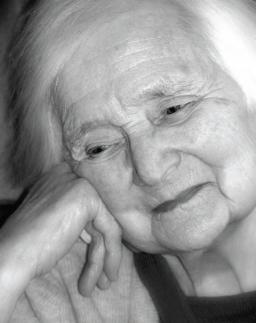
Thirty-seven-thousand people die homeless on the streets of America nearly every year. The number has been at least this high for years and it is growing. This number breaks my heart. No human being should die alone, on a sidewalk or in a shelter. I don’t even believe animals should die alone on the streets or in a shelter. It seems at times we do more to rescue those animals than we do our own family members.
As part of this rapidly changing demographic baby boomers are turning sixty-five at a rate of ten-thousand a day. With those numbers expected to continue until at least the year two-thousand and twenty we are likely to see a dramatic spike in the already epidemic numbers of elderly homeless people between now and then.
This should be on the first page, right up there at the top of every policy-maker; elderly service provider and religious leader’s agenda. It should also be being discussed at our kitchen tables among family, neighbors and friends.
As a nation, more so as human beings we must stop tolerating our politicians and civic leaders practice of throwing federal, state, local and donated funds at referral agencies. Too many of these agencies that are a dime a dozen do not actually provide any service other than to refer stressed out people to one government agency after another. They are doing nothing more than passing -the- buck from one agency to the other. The people working in those agencies do not mean any harm. They believe whole-heartedly that they are helping. The truth is somebody is benefitting in this situation unfortunately, it is not the homeless, the mentally ill or our communities
Our local hospital emergency rooms, urban, suburban and rural, are being overused and over-whelmed. The police, first responders and family members are using them as the default-landing zone for those in mental health, addiction or homeless crisis. Again, our first responders are good people with big hearts. They want to help. We need to provide them with realistic and safe solutions. Either these emergency rooms need to be equipped, trained and staffed to be a viable solution to this epidemic or we must demand their revolving doors be closed.
If we are going to have any chance of stopping or at least containing this epidemic we must each first examine the way we think about, react to and treat the most vulnerable in our society. Think back, can you remember the first time you encountered a homeless or a mentally ill person? It was not a problem in America until the early nineteen-sixties. Before the nineteen-sixties, families took responsibility for their own mentally ill, elderly and addicted relatives. They were cared for in our own homes, or they were placed into institutions.
The cure for homelessness will most likely be born from our collective hearts as we sit around our kitchen tables united as families, determined as communities to stop ignoring these atrocities. There has to be an answer somewhere between warehousing these human beings and continuing to put our society, at large in danger for the rights of one. Because of our fear of appearing politically incorrect, we have chosen to look past these human beings and do nothing. The change must start in our hearts and continue into our homes. We must once again become responsible for our elderly and mentally ill loved ones and neighbors.
That is exactly what my husband; John chose to do when he casually, like people do this every day, brought Sophie to our home. She was an elderly woman who literally fell across his path. Because he believes that God puts people in your path for a reason, Sophie ended up on our sofa.
The woman was elderly, homeless and mentally ill. Like most in her situation, she was frequently victimized and for fear of being ‘put away,’ she never reported any of the crimes committed against her.
For me there was absolutely, nothing casual about the two-and-a-half years John and I devoted to caring for this stranger in our home. I still have trouble understanding how we managed and why we did what we did.
Did we effect some sort of monumental change or discover the solution for the plight of the homeless? Are we holding our civic leaders and Sophie’s family accountable? Why do certain people do things like bring elderly homeless women into their homes and others would never, ever do such a thing?
Our profound discovery was the awareness that almost always in life the right thing to do will predominately be the hardest thing to do. We still have to find a way to do the right thing anyway.


